A publisher inside Hong Kong's cultural life.

From street stalls to cinema screens, The Universal Press helped popular fiction circulate through a city developing its own voice, pace and public imagination.

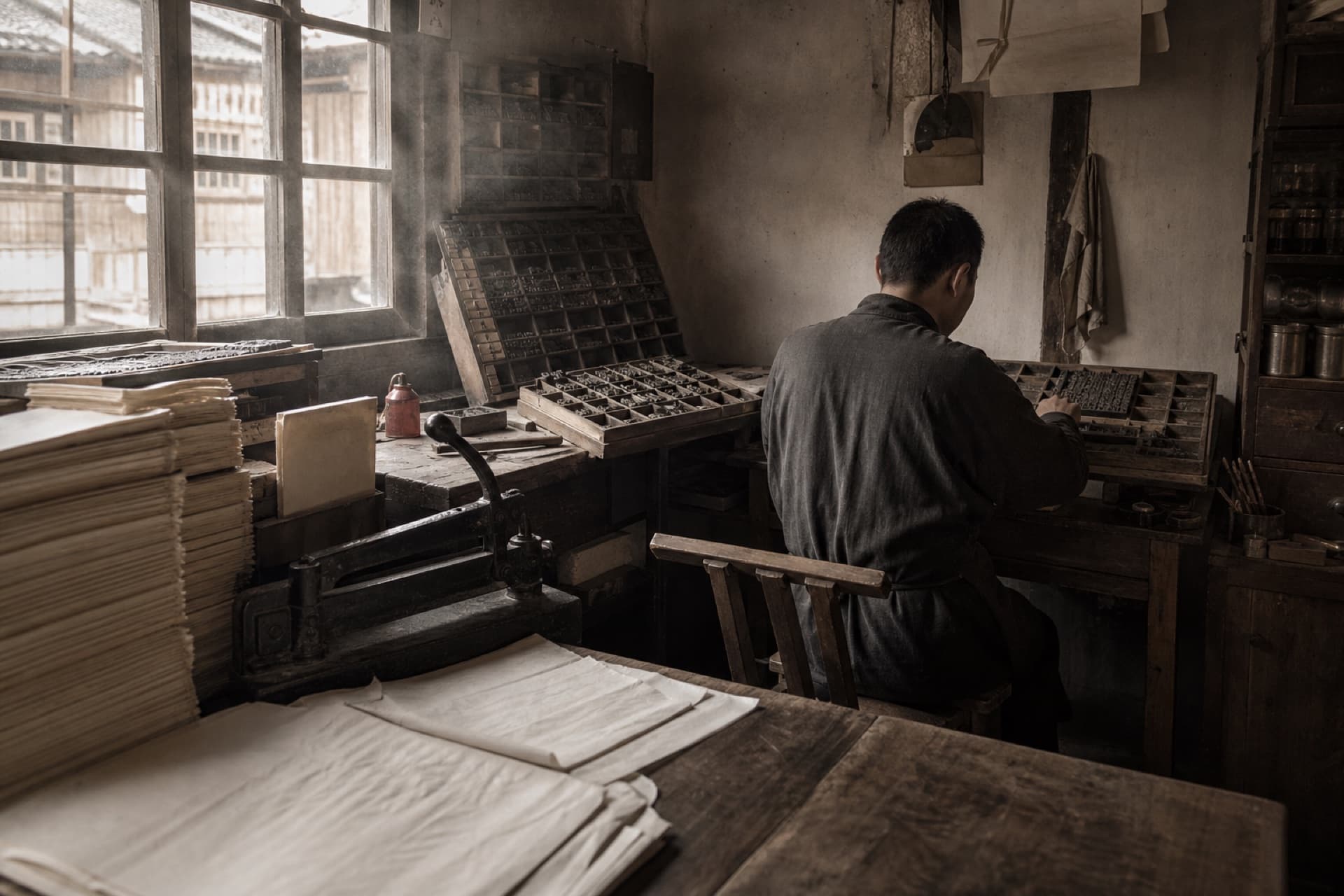
Interpretive view of a 1940s Chinese-language typesetting workshop

1942 / Shanghai

The first imprint

The Universal Press traces its publishing work to Shanghai. The early press produced translated and popular reading for a Chinese-language market shaped by newspapers, serial fiction and urban readerships.

Skilled compositors, editors and press workers turned loose type, ink and paper into books that travelled far beyond the room where they were made.

Interpretive image of a period typesetting workshop
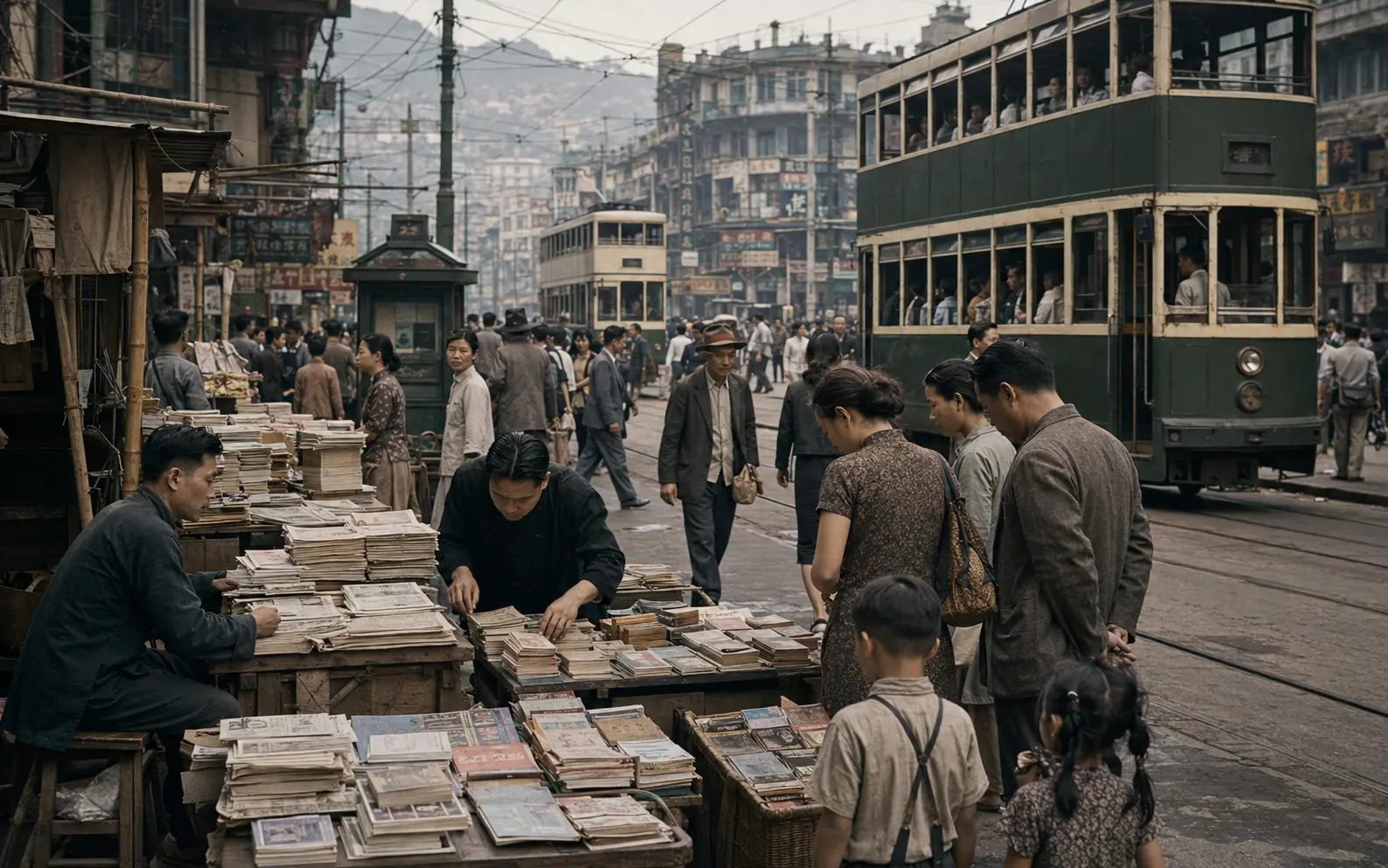
Interpretive reconstruction of newspaper and book vendors near a Hong Kong tram stop in 1950

1950 / Hong Kong

A press for a growing city

The Universal Press established its Hong Kong operation as the city received new residents, new industries and a growing Chinese-reading public. The press developed novels, magazines and cultural periodicals for readers with varied backgrounds.

Bookstalls and newspaper vendors formed a street-level distribution network. They placed reading material close to tram stops, ferry piers, markets and housing districts.

Interpretive reconstruction of newspaper and book vendors near a Hong Kong tram stop in 1950

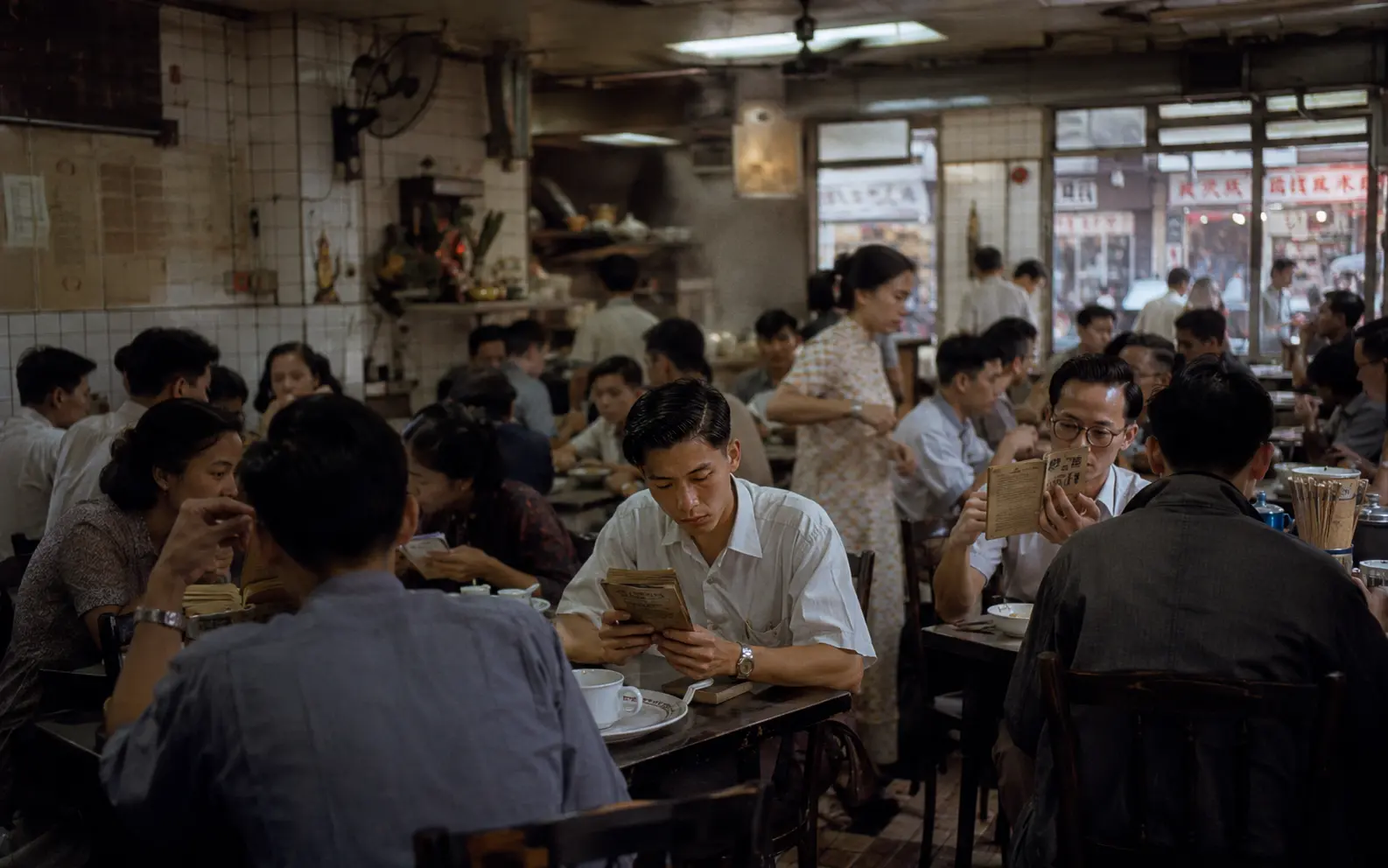
Interpretive reconstruction of people reading inexpensive novels in a crowded Hong Kong restaurant in the 1950s

1950s / 30cents novels

Serial fiction enters everyday life

The press published compact illustrated fiction at a price within reach of students, workers and families. 《環球小說叢》 was one of several serial publications through which The Universal Press met a growing appetite for popular stories.

30cents novels gave popular writing a portable form. At restaurant tables, on tram journeys and between shifts, readers opened stories of romance, suspense and family drama that reflected the pressures and desires of post-war Hong Kong.

Interpretive reconstruction of everyday readers in a crowded Hong Kong restaurant

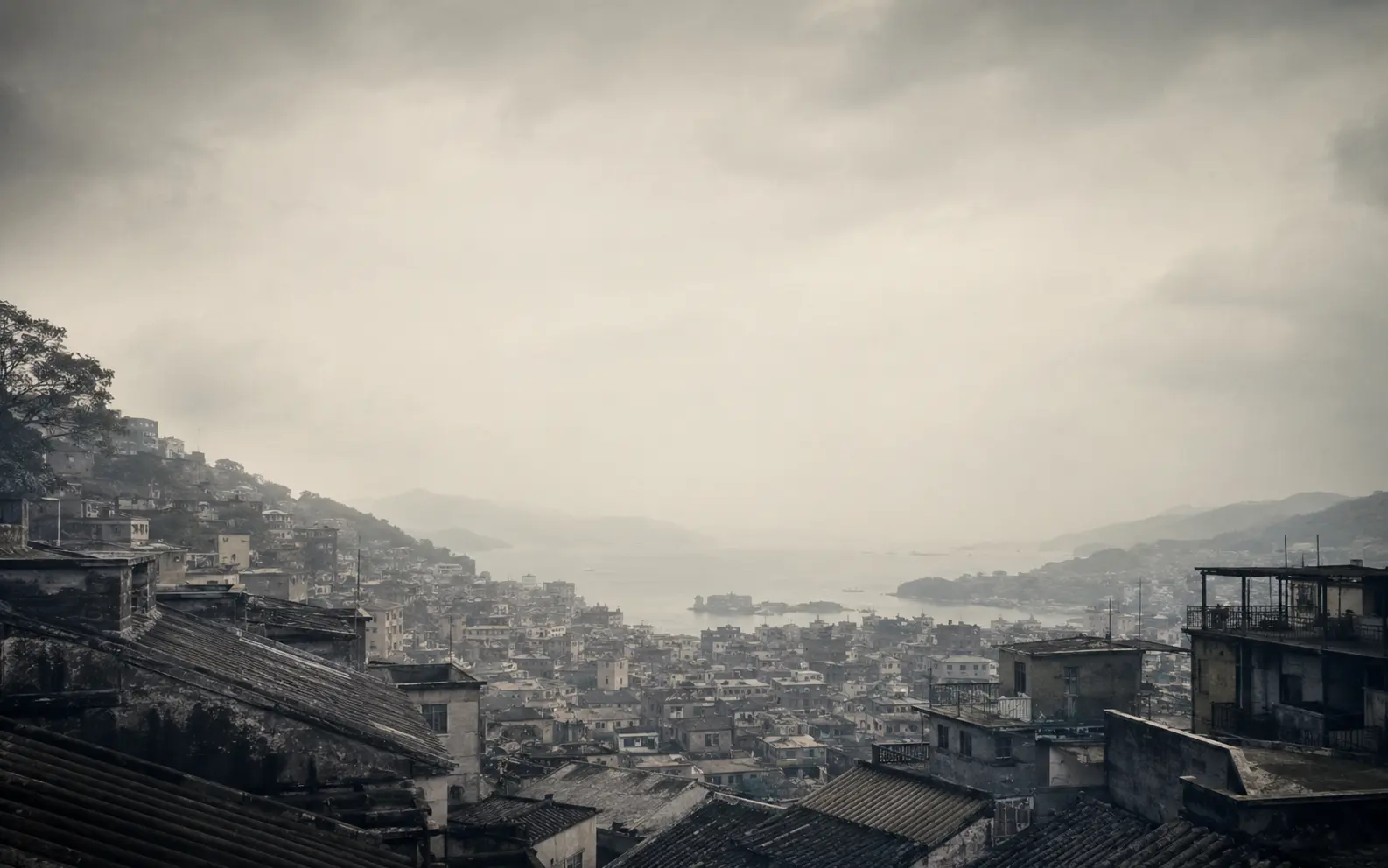
Interpretive view of late-1950s Hong Kong rooftops and harbour mist
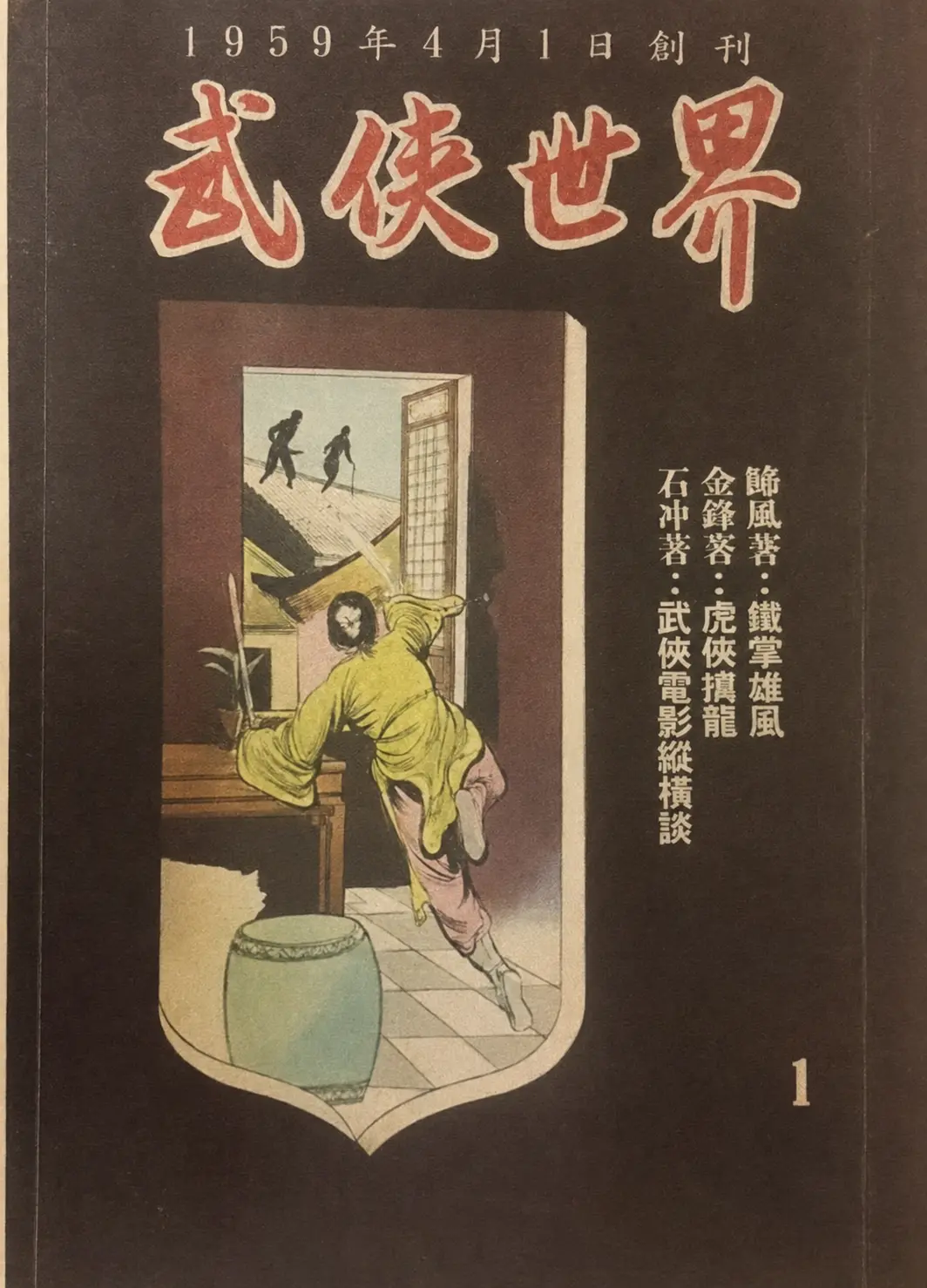
The inaugural 1959 cover of the martial arts magazine 武俠世界

1959 / Martial arts fiction

《武俠世界》 opens a new field

The inaugural issue of 《武俠世界》 appeared on 1 April 1959. The magazine created a sustained home for martial arts serials and helped connect a broad reading public with a genre that was becoming central to Hong Kong popular culture.

Writers including 臥龍生, 司馬翎, 古龍, 倪匡, 黃鷹 and 黃易 contributed to the magazine or were historically published by The Universal Press. This is a record of publishing association, not a claim that The Universal Press owns their works today.

The inaugural issue of 《武俠世界》, shown against an interpretive view of late-1950s Hong Kong

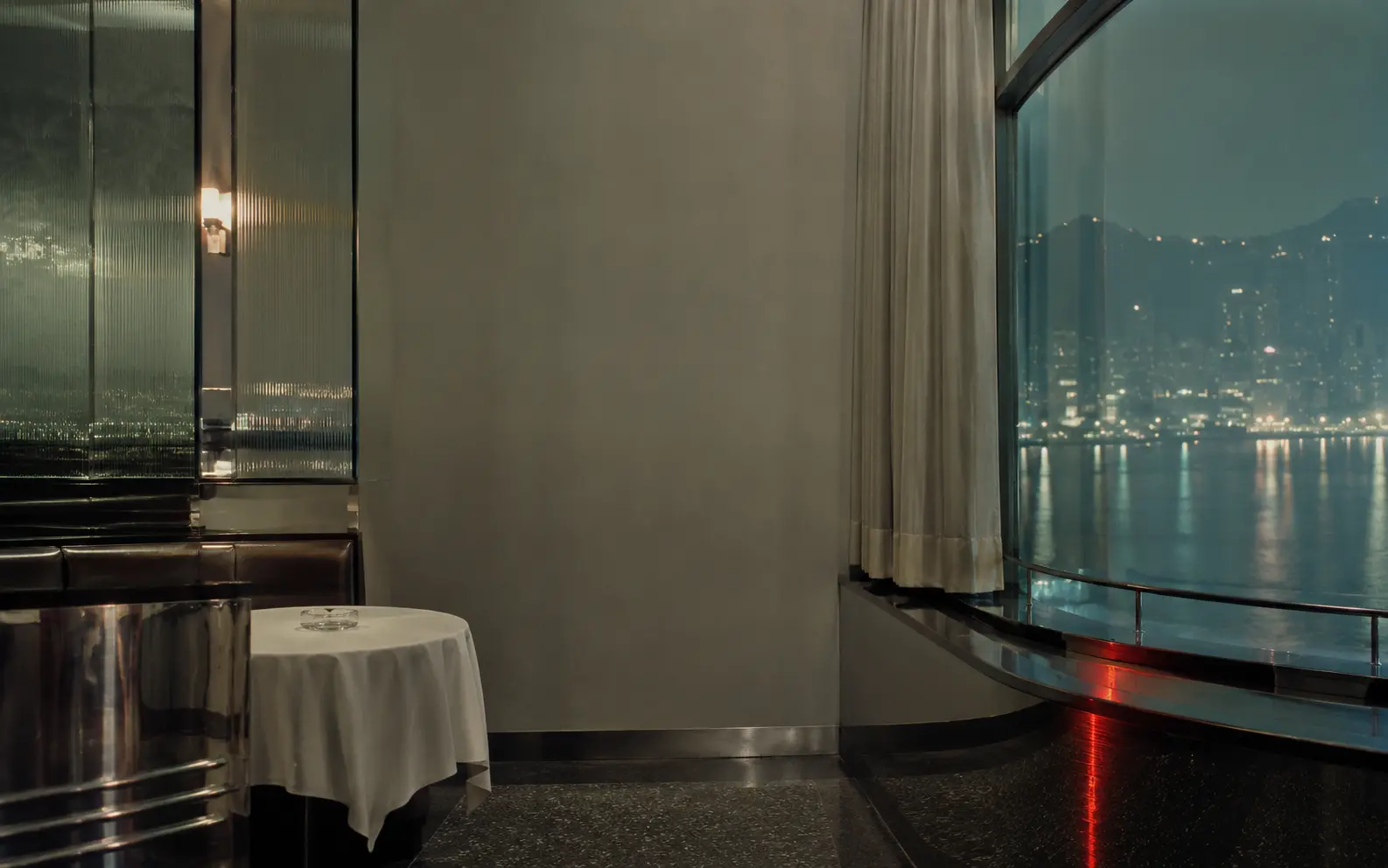
Interpretive view of a modern 1960s Hong Kong restaurant interior overlooking the harbour
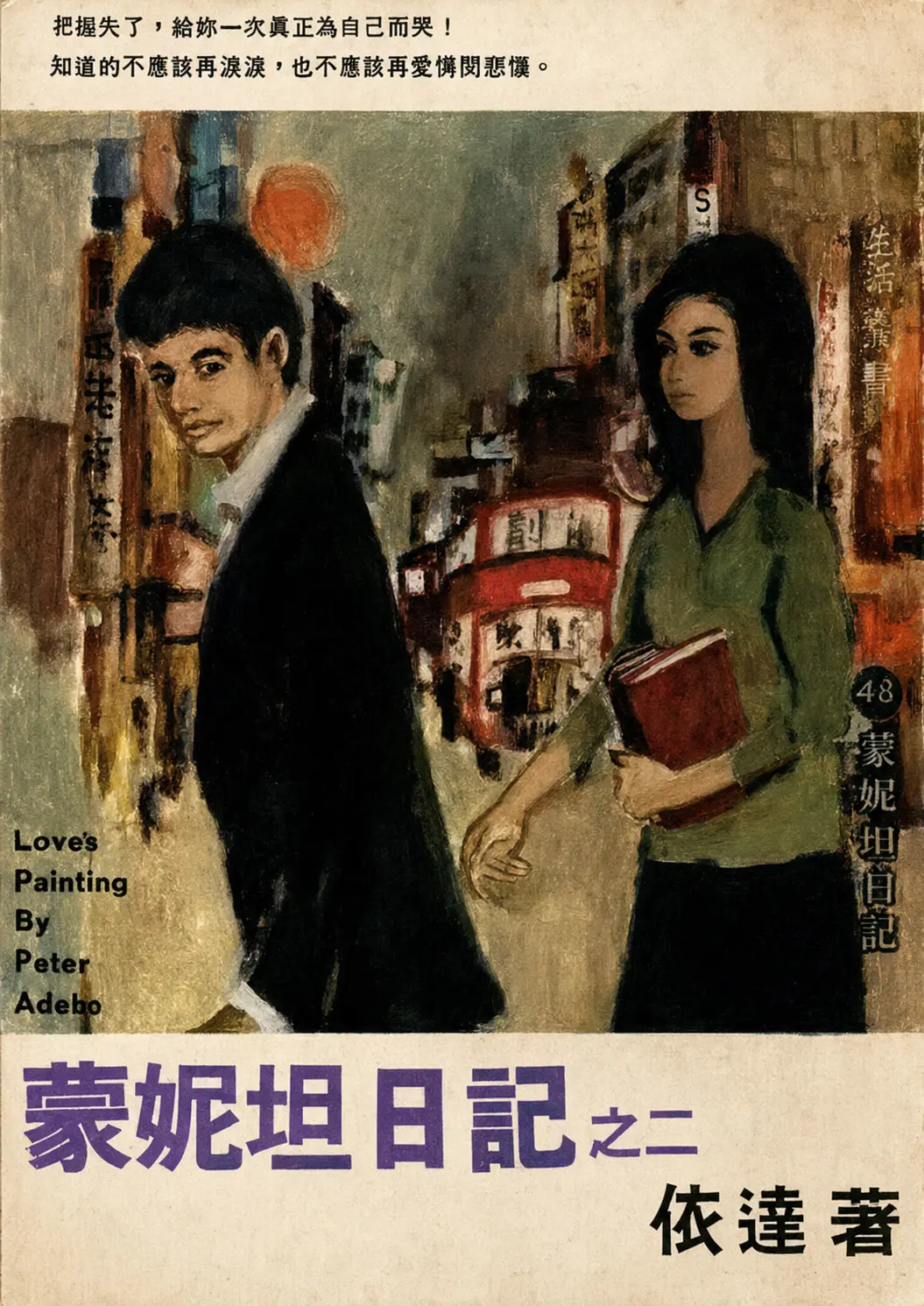
Volume two of The Diary of Monita
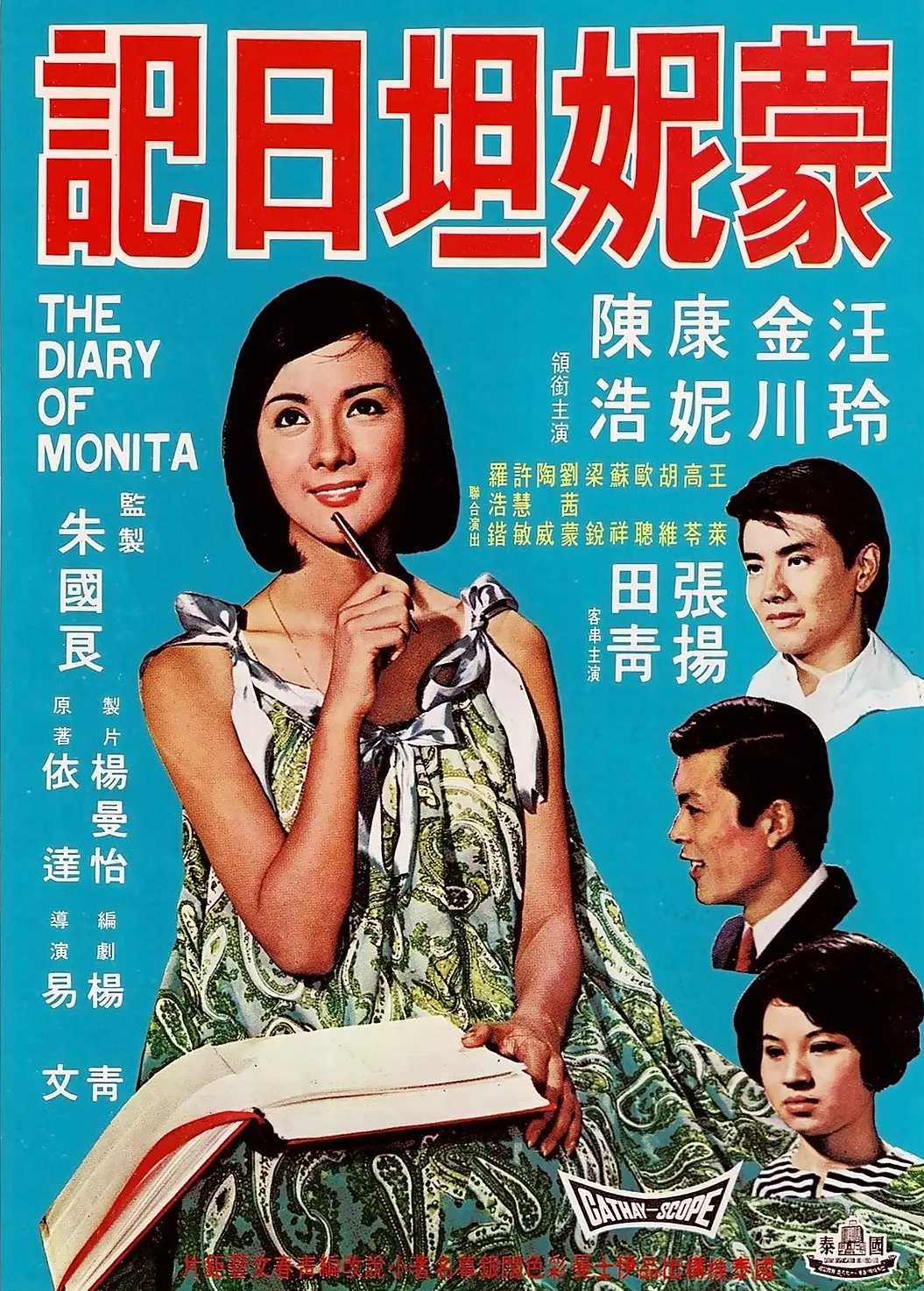
Poster for the 1968 film The Diary of Monita

1963-68 / A story across forms

《蒙妮坦日記》 becomes a cultural event

依達's 《蒙妮坦日記》 first built its audience through serial publication in 《西點》. The Universal Press issued the story in three book volumes in 1963. Its repeated reprints showed how strongly readers had attached themselves to its view of modern urban life.

Cathay adapted the novel for cinema in 1968. Fashion, restaurants, cars, music and changing relationships travelled from prose to screen, turning the title into a record of Hong Kong aspiration as well as a popular romance.

Volume two and the 1968 Cathay film poster, shown against an interpretive 1960s interior

Interpretive view of a late-1970s Hong Kong apartment at dusk
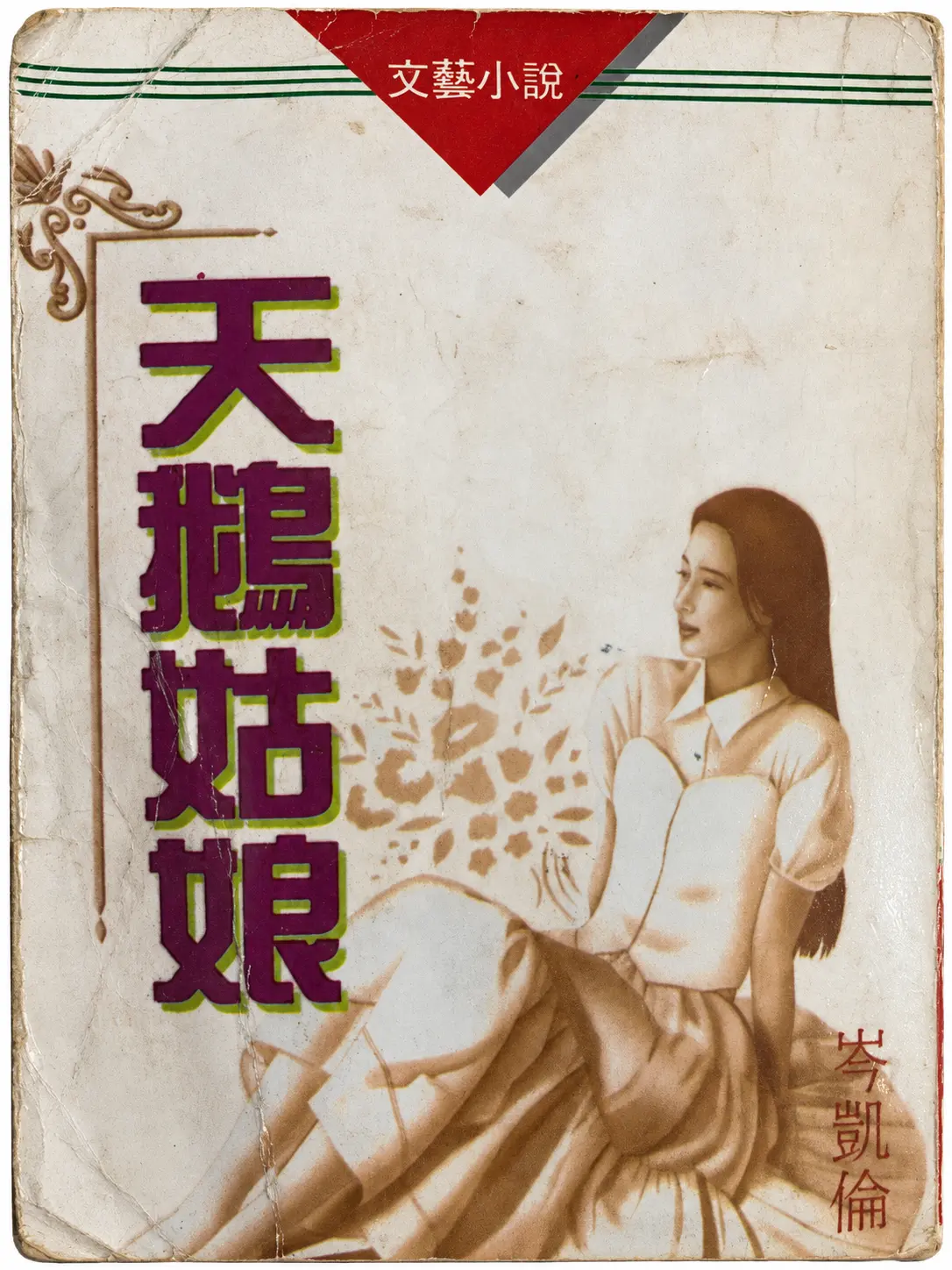
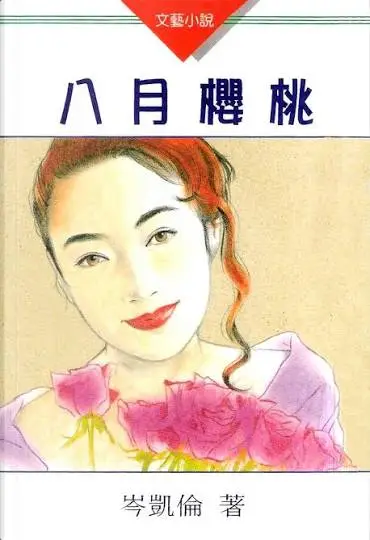
Cover of 天鵝姑娘 by 岑凱倫
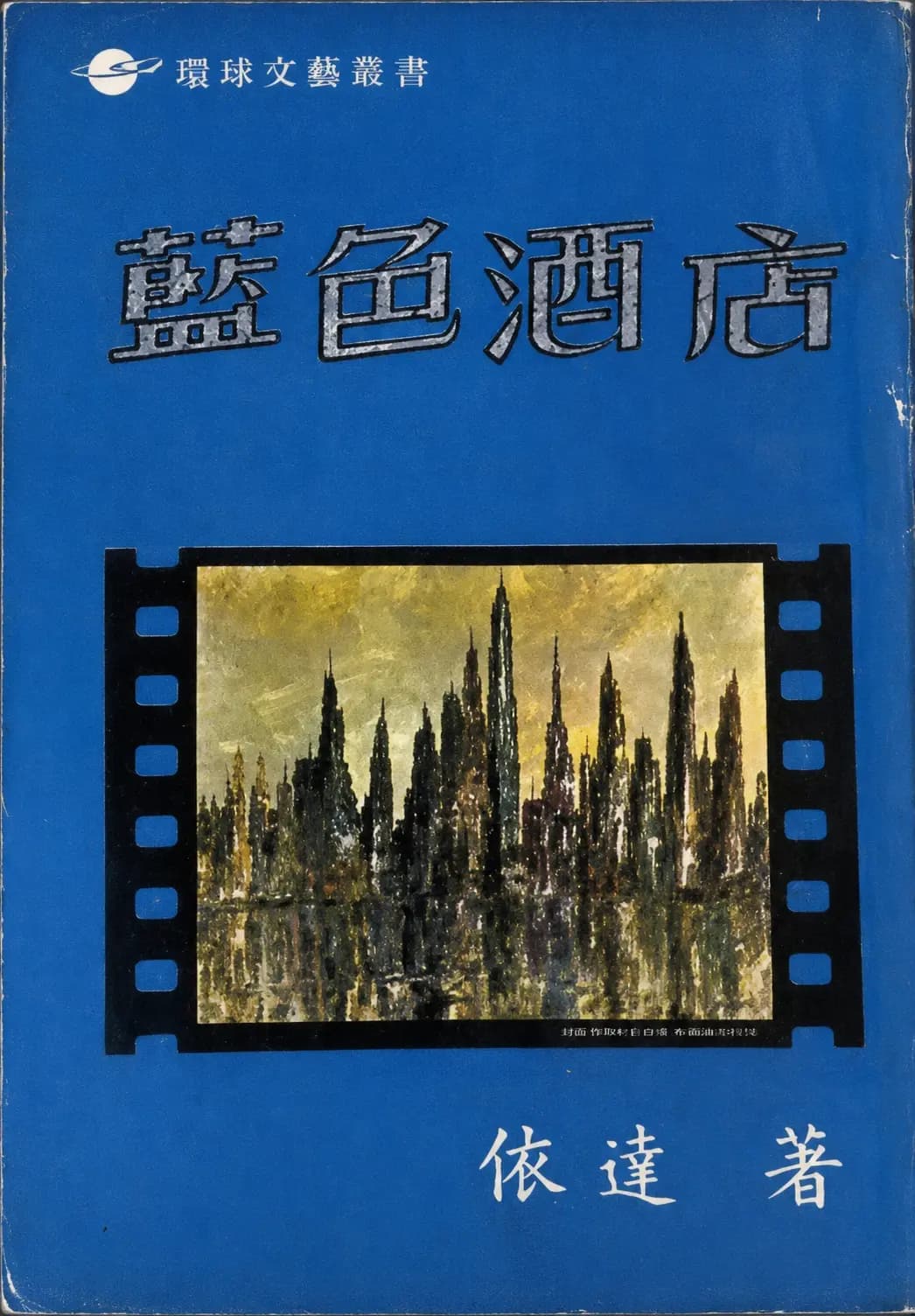
Cover of 藍色酒店

1970s-80s / Popular romance

Books that followed a changing youth culture

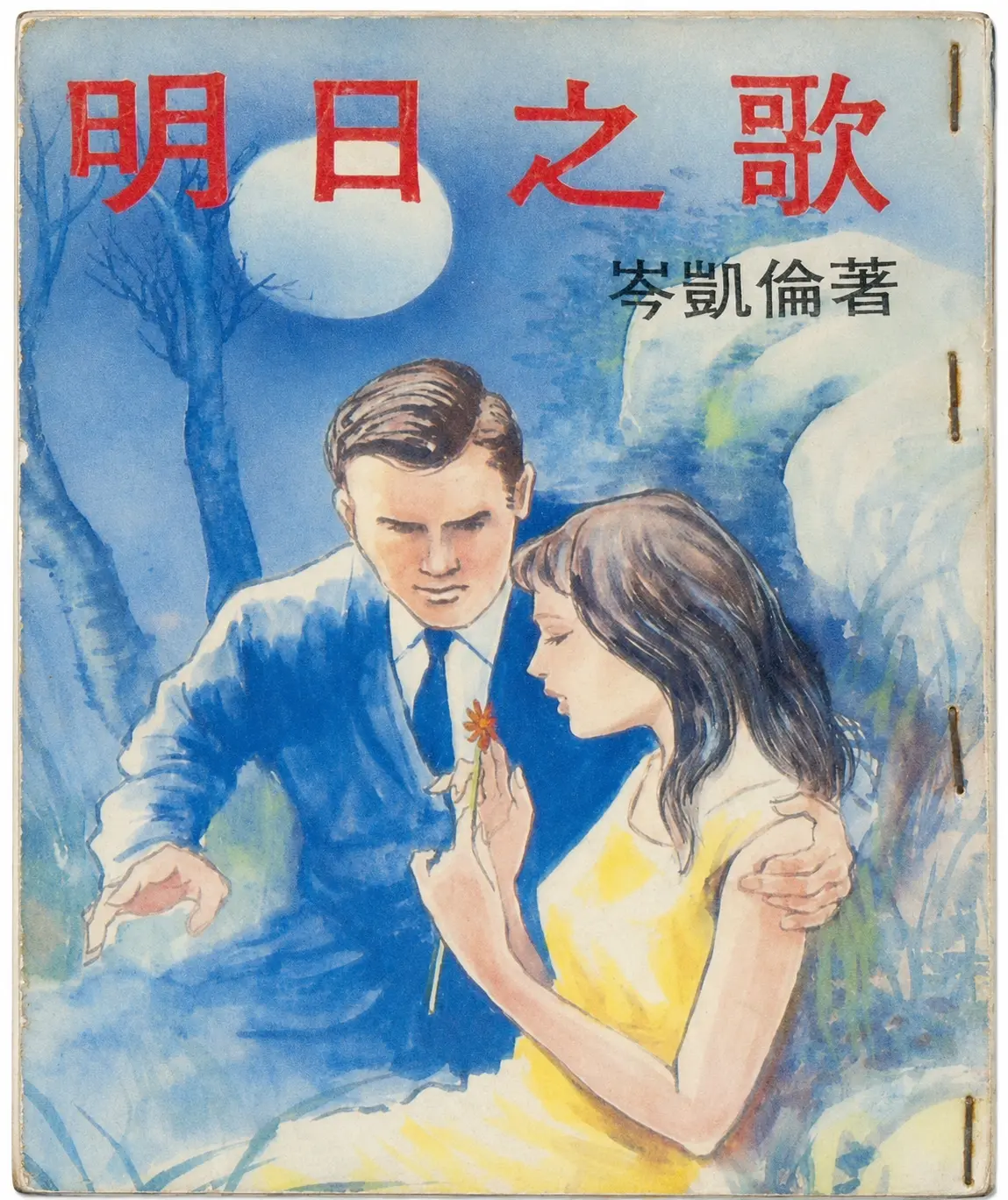
Standalone novels remained an important part of the press long after the first 30cents novel boom. Romance writers such as 依達 and 岑凱倫 spoke to young readers through questions of independence, class, fashion, work and emotional choice.

These editions extended The Universal Press into the 1970s and 80s, when Hong Kong popular culture was becoming increasingly confident, visual and outward looking.

Later standalone romance editions, shown against an interpretive late-1970s Hong Kong apartment

Interpretive view of a contemporary publishing digitisation workspace

Today / 800+ rights

The next use starts here

The Universal Press owns rights to more than 800 titles from this publishing period. Each work carries creative potential and a connection to the conditions in which Hong Kong readers first encountered it.

The company works with publishers and producers on reissues and adaptation. It also welcomes non-profits, universities, schools, museums and community groups seeking material for research, education, preservation and public programmes.

Rights stewardship connects cultural memory with new production

A publishing model built around circulation.

The Universal Press did not treat a successful story as a single object. Serial publication could establish a readership; a standalone edition could give the work a longer life; and adaptation could introduce it through film, radio or music.

The comparison with modern comics publishing is useful because both systems build attention in sequence. But the Hong Kong model grew from its own newspaper economy, street distribution, Cantonese media and regional Chinese-reading market.

  1. Meet readers

    Serial publication placed stories inside an existing habit of newspaper and magazine reading.

  2. Build permanence

    A standalone edition turned a successful serial into a book that could circulate for years.

  3. Change medium

    Selected stories found new audiences through film, radio and music.

《蒙妮坦日記》 and the making of a modern heroine.

《蒙妮坦日記》 was serialised in 《西點》 for about two years before The Universal Press published it in three volumes in 1963. The books reached 23 reprints, evidence of a readership that extended well beyond the original serial run.

Cathay's 1968 film adaptation brought the story into another medium. Alongside its romance, the title records how a generation imagined modern Hong Kong through clothes, music, restaurants, cars and the choices available to young women.

Any new use of 《蒙妮坦日記》 begins with a title-specific rights check covering the proposed format, territory and available source materials.

1963
Three book volumes published by The Universal Press
23
Recorded reprints of the book edition
1968
Cathay film adaptation
The inaugural issue of 武俠世界 published on 1 April 1959
1959.04.01

A platform for a genre in motion.

《武俠世界》 began publication on 1 April 1959. Through serial fiction and related book publishing, The Universal Press participated in the growth of martial arts literature as a major field of Hong Kong popular culture.

The publication's history includes work by 臥龍生, 司馬翎, 古龍, 倪匡, 黃鷹 and 黃易. Their presence shows the press's place in the genre's publishing network. It does not imply present ownership of those authors' titles or estates.

Historical publishing association only. Any present rights position must be confirmed with the relevant title owner.

Romance followed the city into a new decade.

Standalone novels by writers such as 依達 and 岑凱倫 kept The Universal Press close to the tastes of young Hong Kong readers through the 1970s and 80s. Their covers, settings and emotional worlds belong to a different phase of the same popular publishing history.

One publication, seen issue by issue.

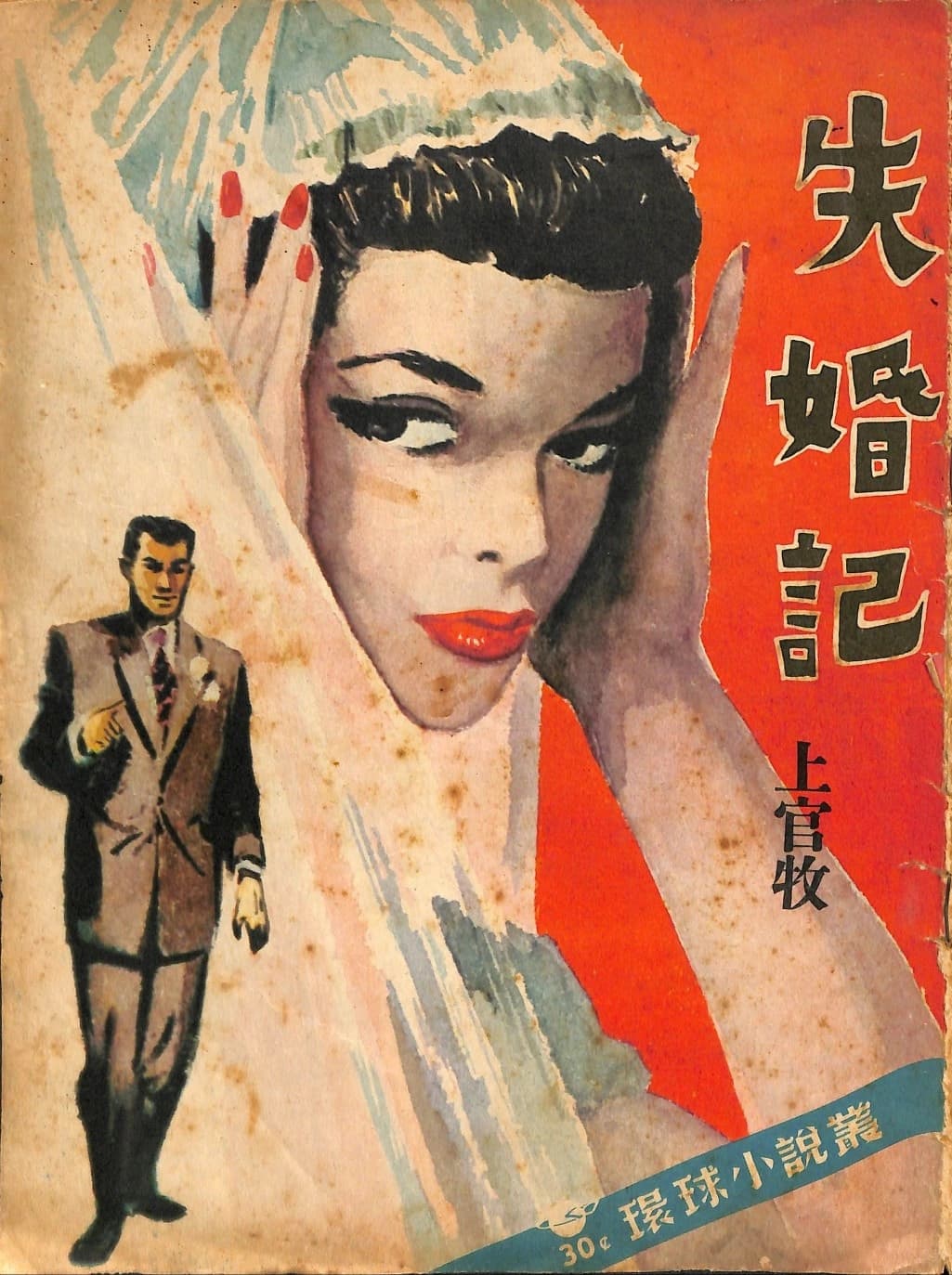
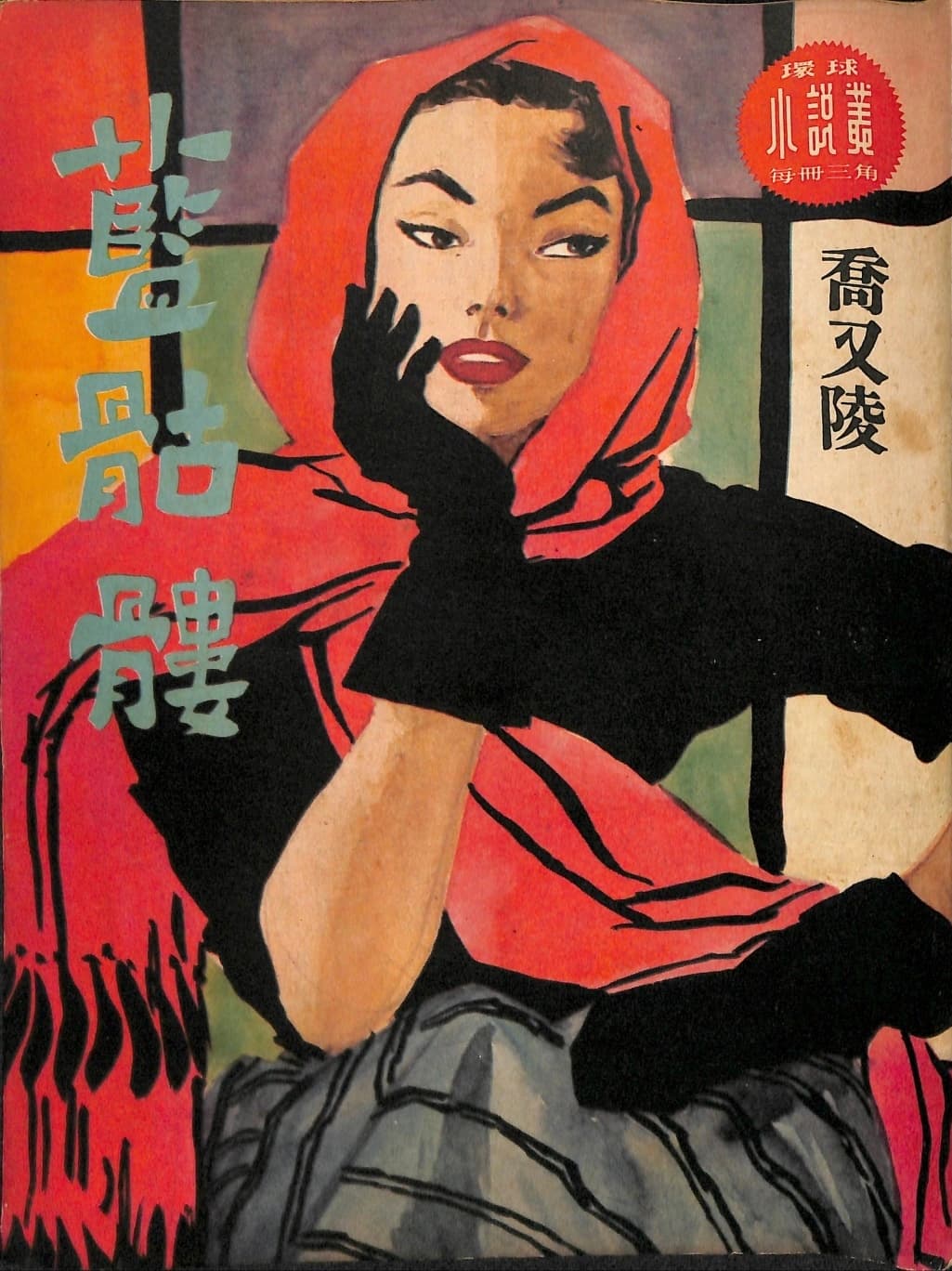
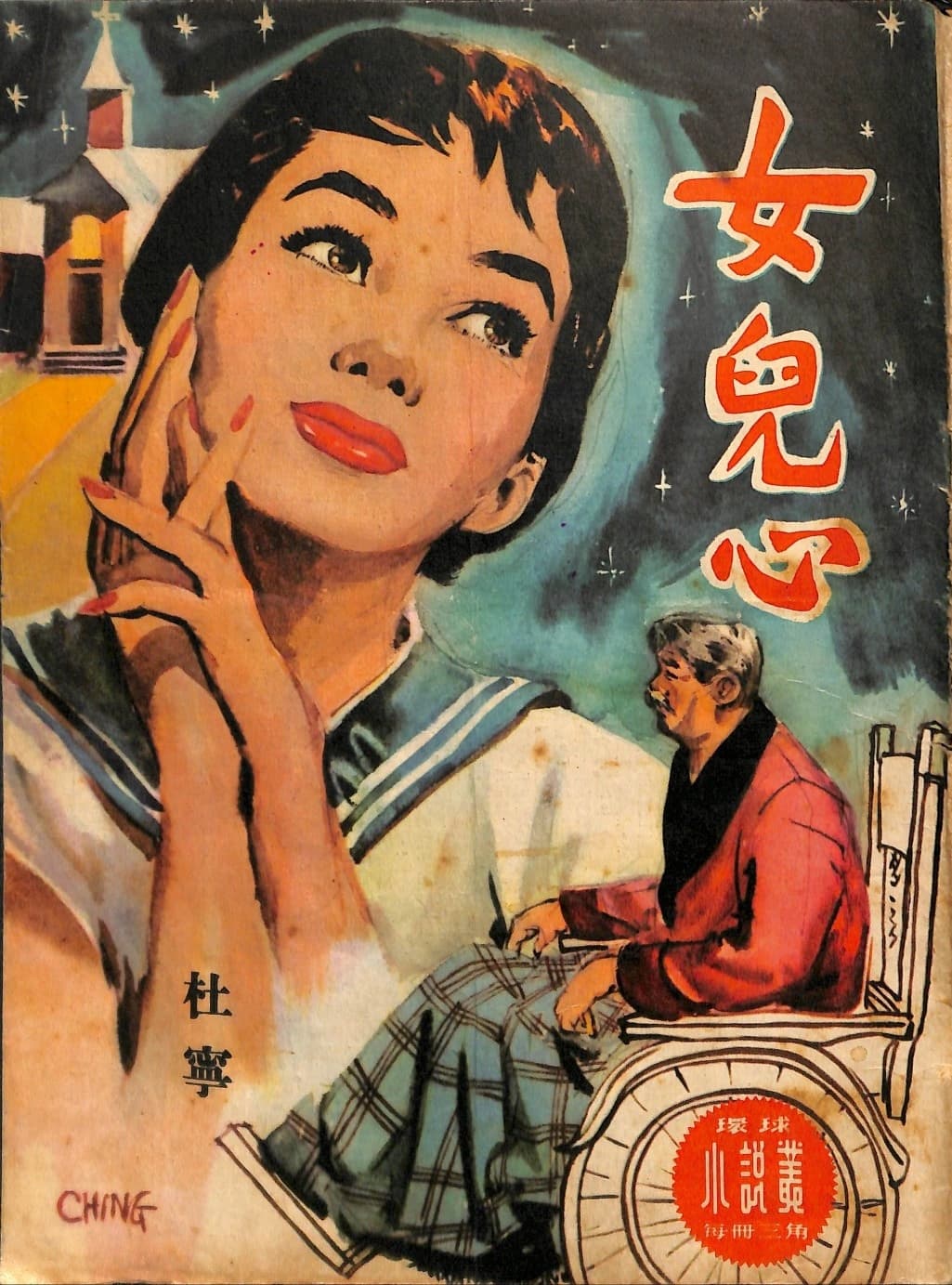
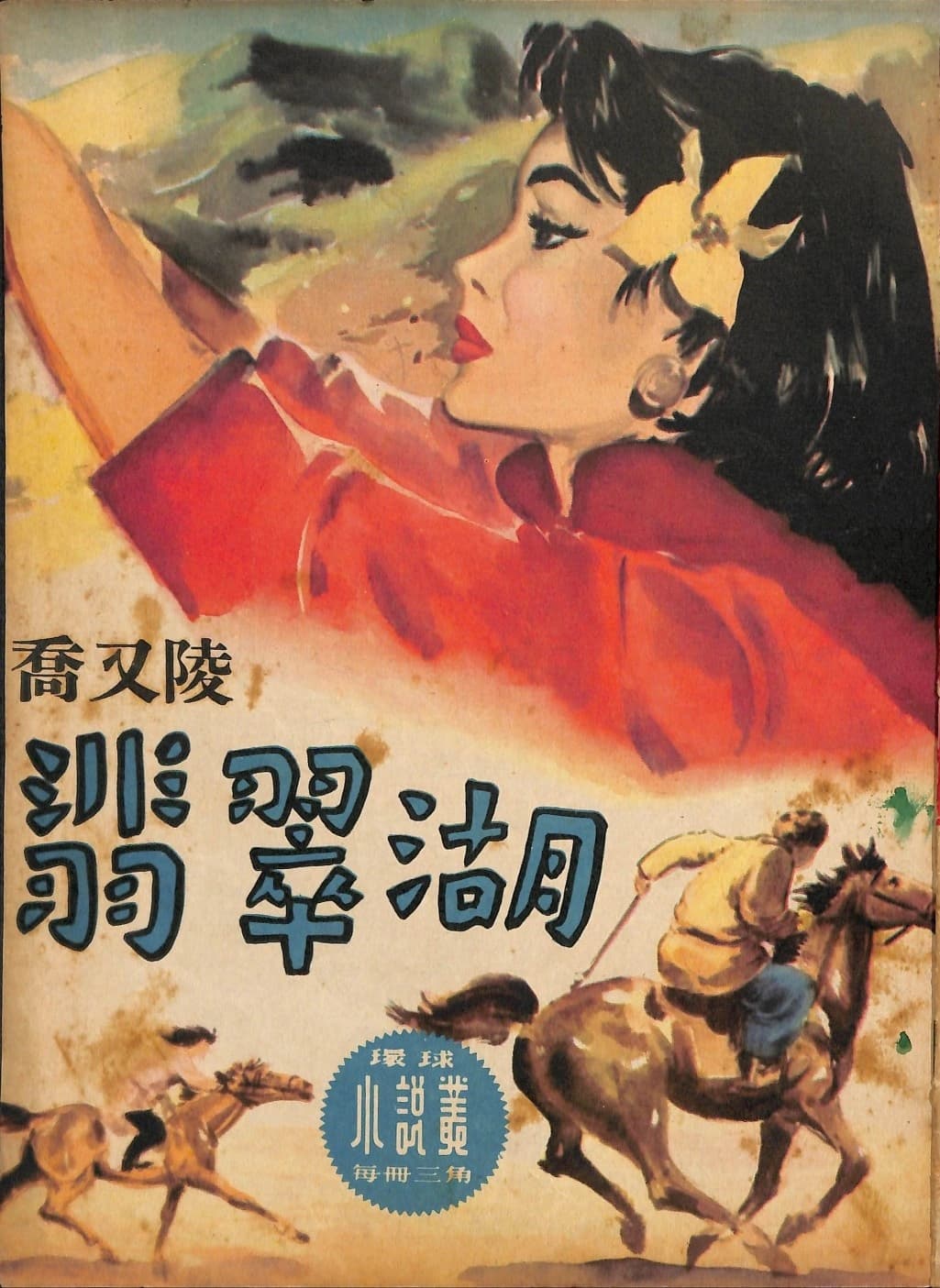
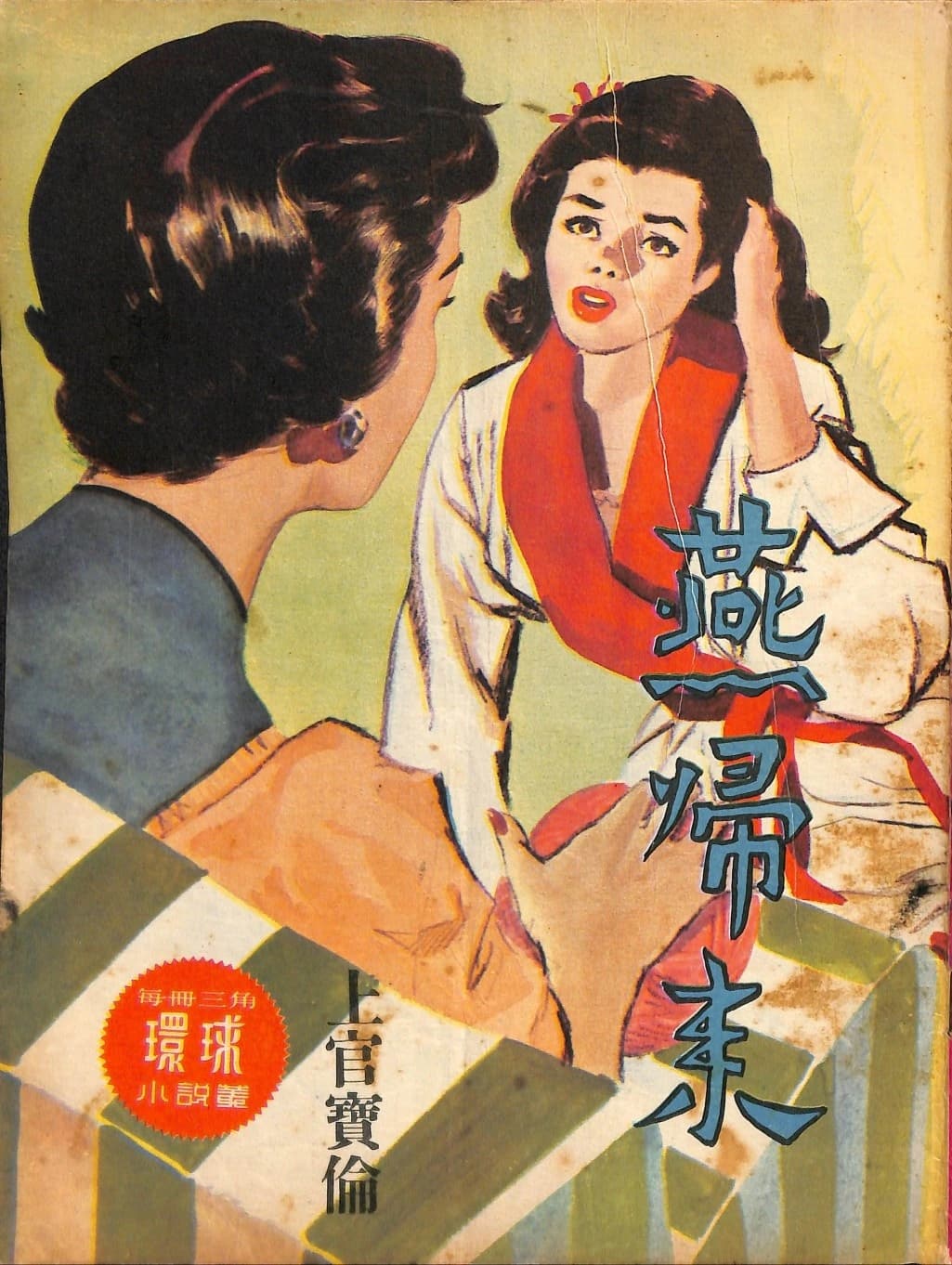
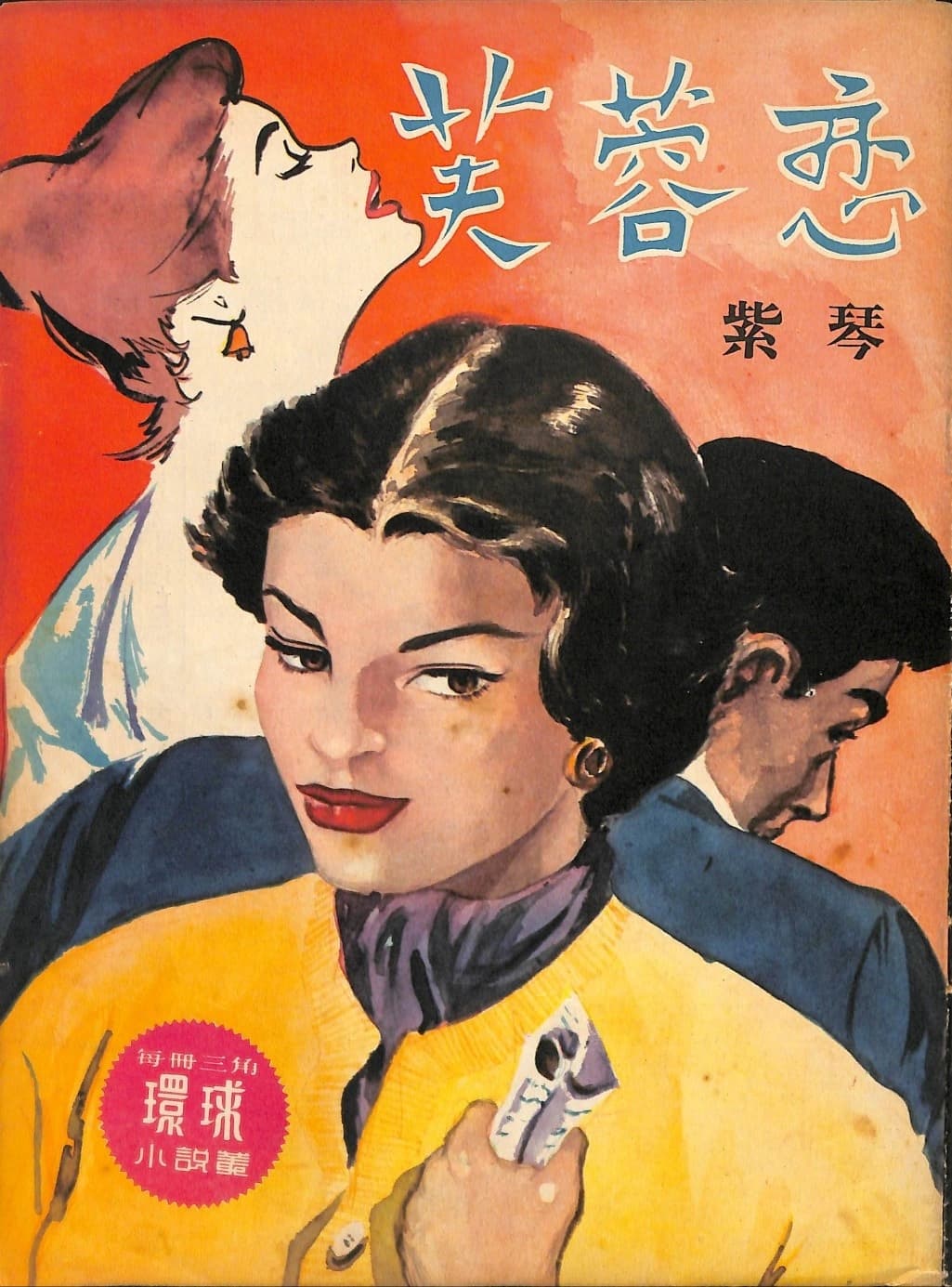
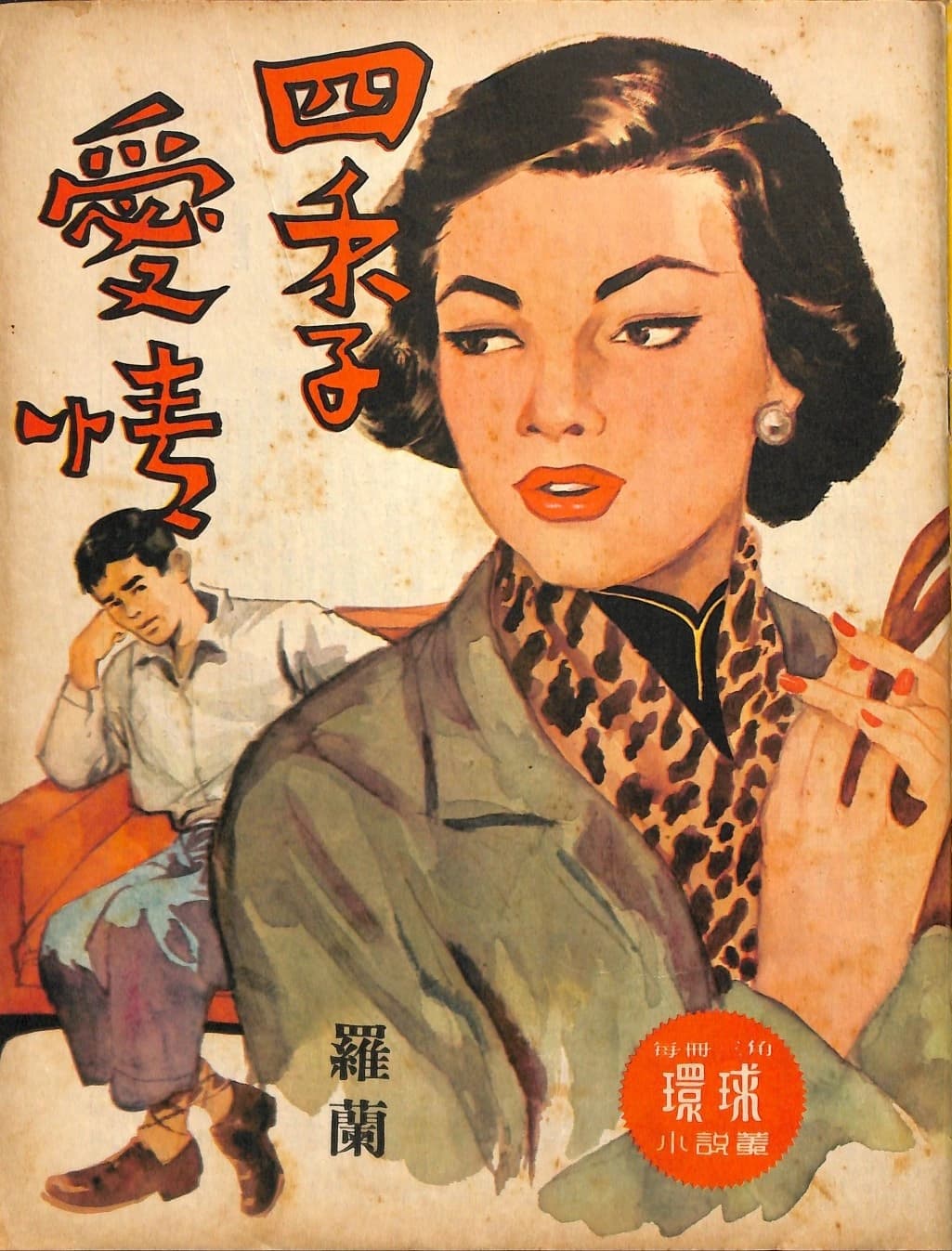
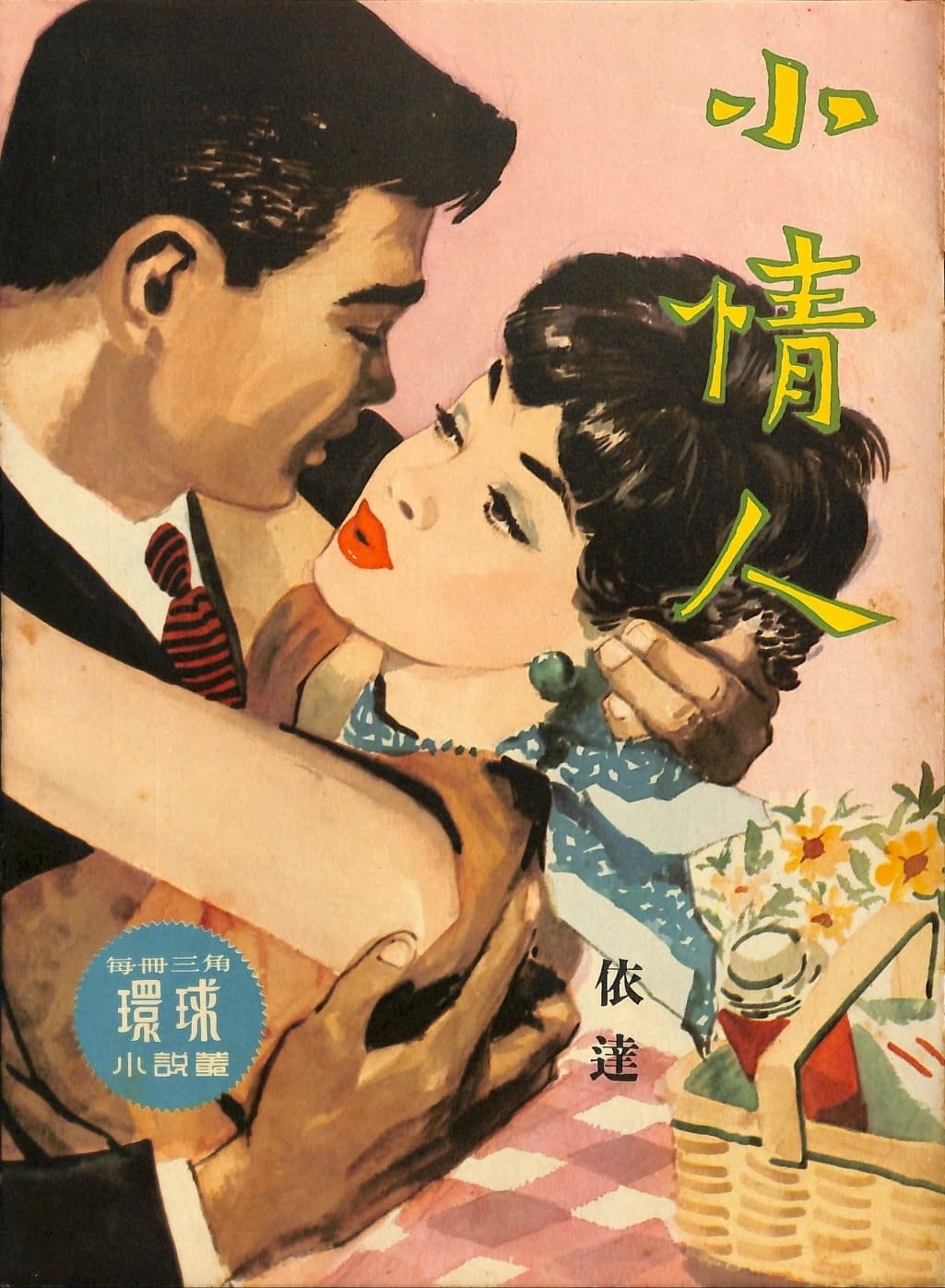
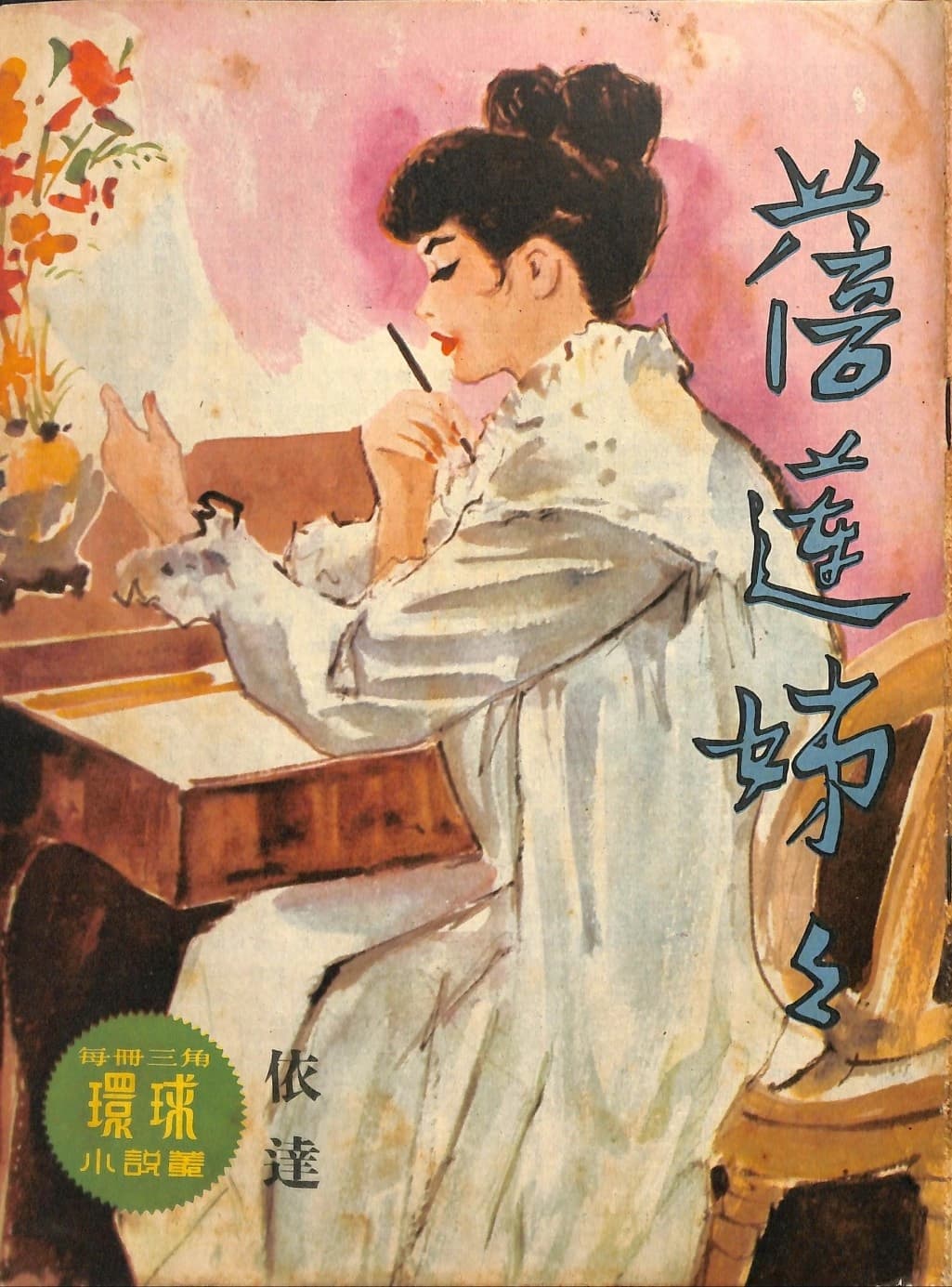
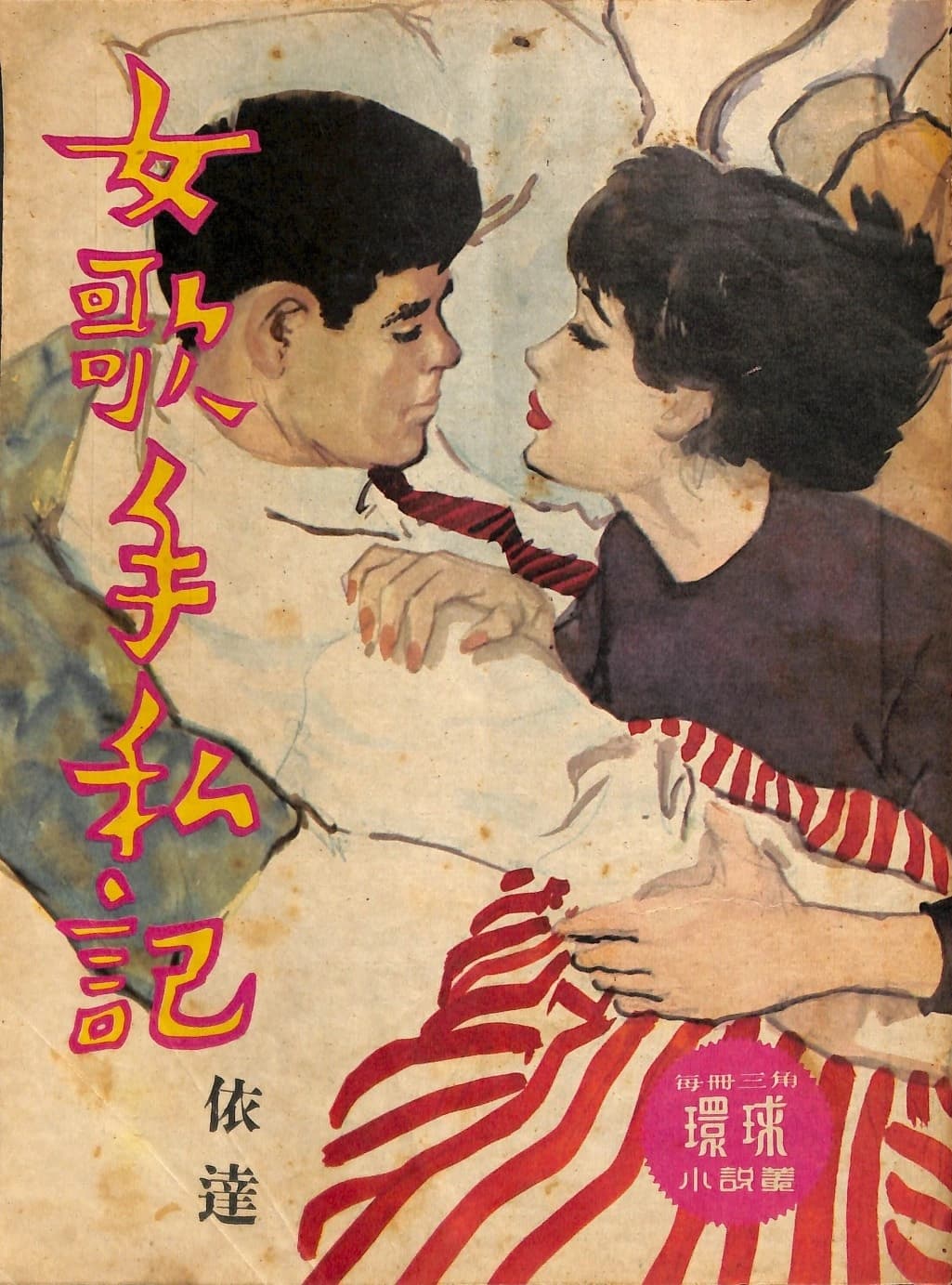
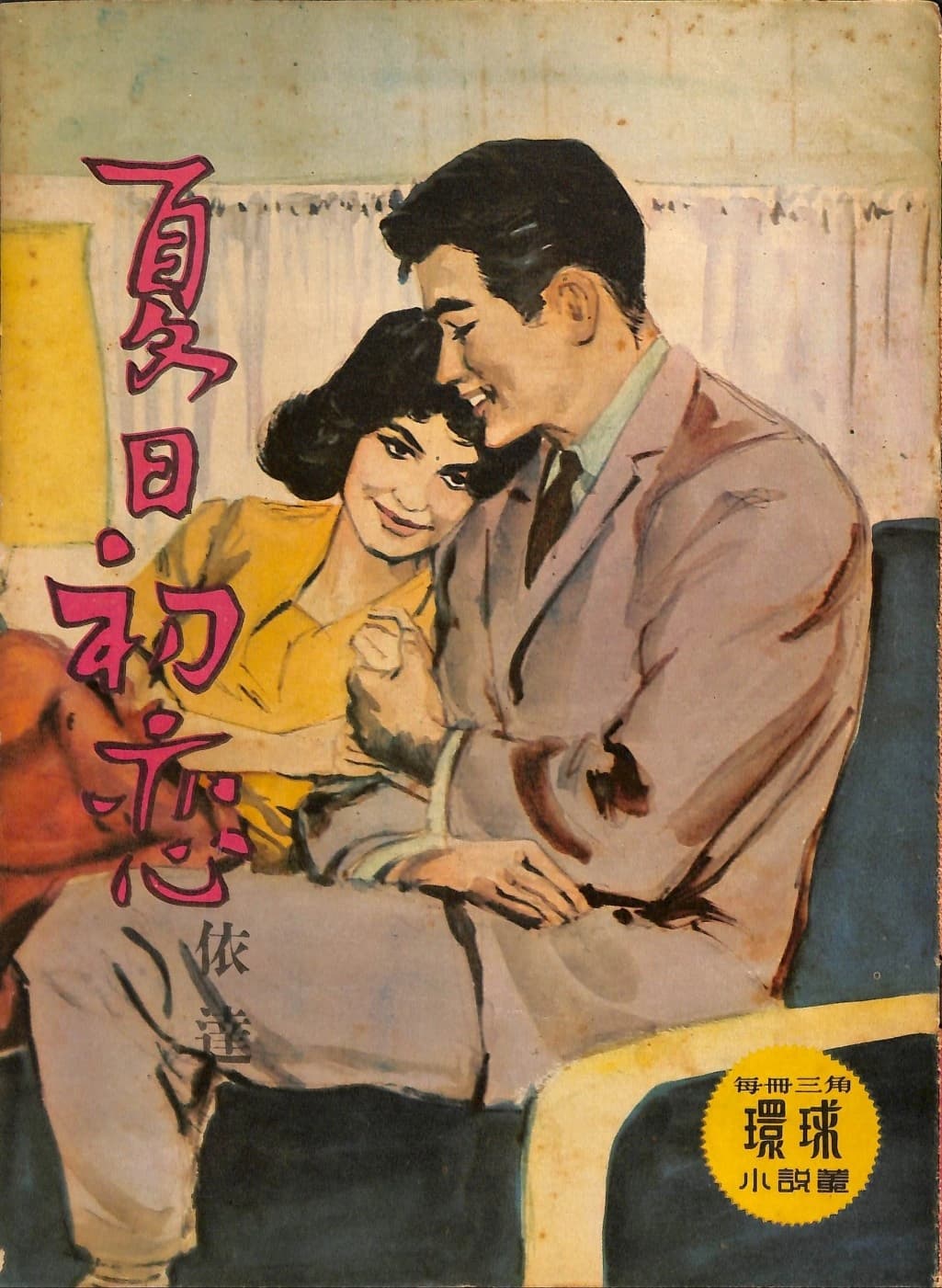
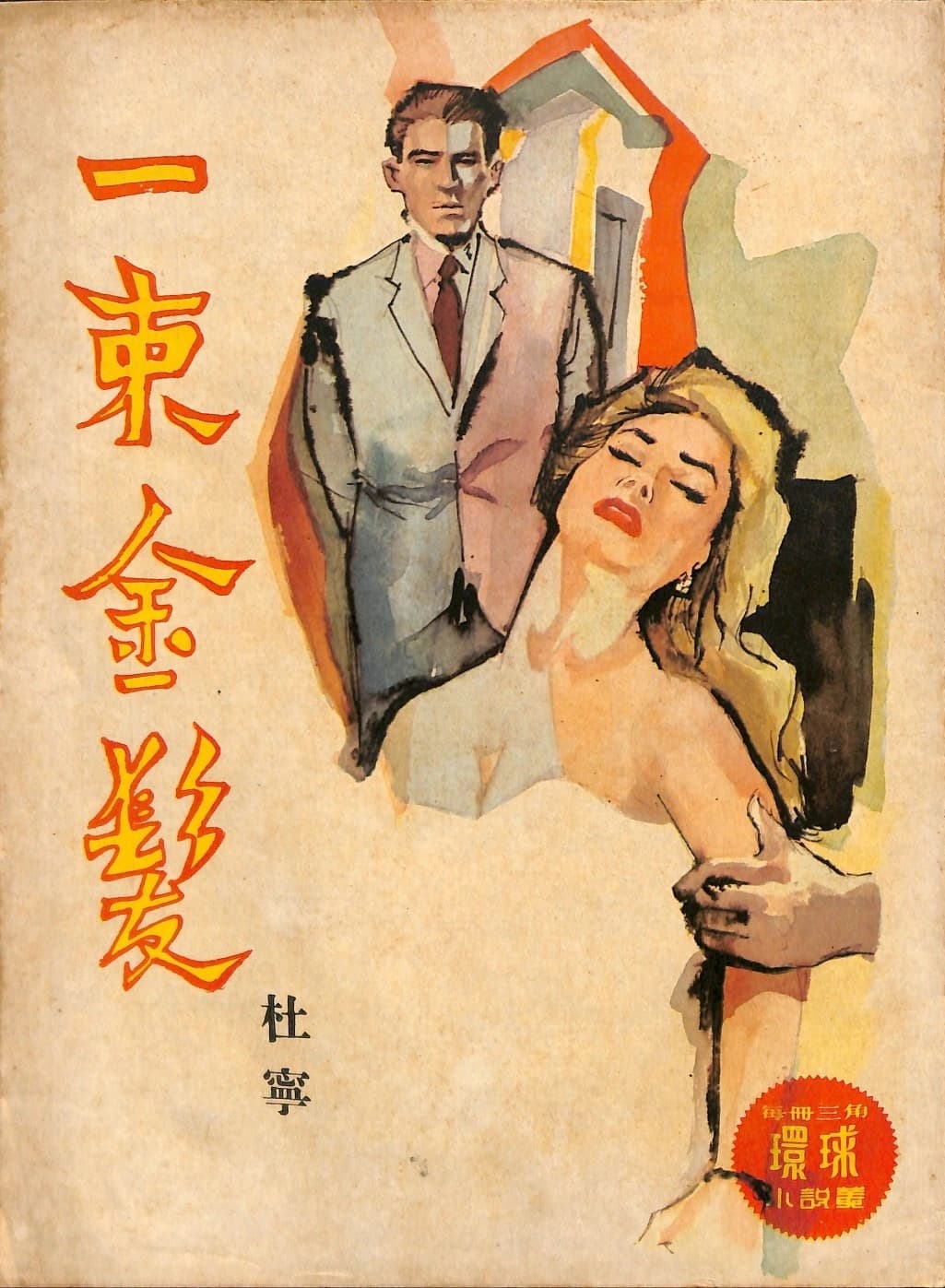
This closer view of 《環球小說叢》 reveals a shared visual world without losing the drama of each issue. Repeated seals, painted faces and restless display lettering made every new cover familiar at a glance. It is one visual chapter within the wider publishing history of The Universal Press.

Cover of 《失婚記》 by 上官牧, 《環球小說叢》 no. 3
Cover of 《藍骷髏》 by 喬又陵, 《環球小說叢》 no. 12
Cover of 《女兒心》 by 杜寧, 《環球小說叢》 no. 35
Cover of 《翡翠湖》 by 喬又陵, 《環球小說叢》 no. 48
Cover of 《燕歸來》 by 上官寶倫, 《環球小說叢》 no. 67
Cover of 《芙蓉戀》 by 紫琴, 《環球小說叢》 no. 90
Cover of 《四季愛情》 by 羅蘭, 《環球小說叢》 no. 104
Cover of 《小情人》 by 依達, 《環球小說叢》 no. 126
Cover of 《蓓蓮姊姊》 by 依達, 《環球小說叢》 no. 142
Cover of 《女歌手私記》 by 依達, 《環球小說叢》 no. 157
Cover of 《夏日初戀》 by 依達, 《環球小說叢》 no. 168
Cover of 《一束金髮》 by 杜寧, 《環球小說叢》 no. 181

A cultural resource for public work

The Universal Press manages a concentrated body of popular stories, visual culture and social memory from an era that shaped modern Hong Kong. Its present catalogue includes more than 800 titles, with the rights position confirmed title by title for each proposed use.

Non-profits, research institutions, education bodies and cultural organisations can approach the company with an exhibition theme, teaching purpose, preservation plan or research question. The Universal Press can identify relevant works and define a responsible form of access or use.

Further reading

Independent research places 30cents novels within Hong Kong's post-war publishing and screen culture.

Put this history to work.

Discuss a project