
Material
Name the title, author, theme or group of works you want to use.
The Universal Press works from a catalogue of more than 800 titles and gives partners a clear route from cultural context and rights review to a defined licensed use.



A proposal can begin with a title, an author, a theme or an audience. The Universal Press identifies relevant material, confirms the rights position and defines terms that fit the project. We welcome commercial development alongside research, education, preservation and non-profit cultural work.
One publication in a wider catalogue
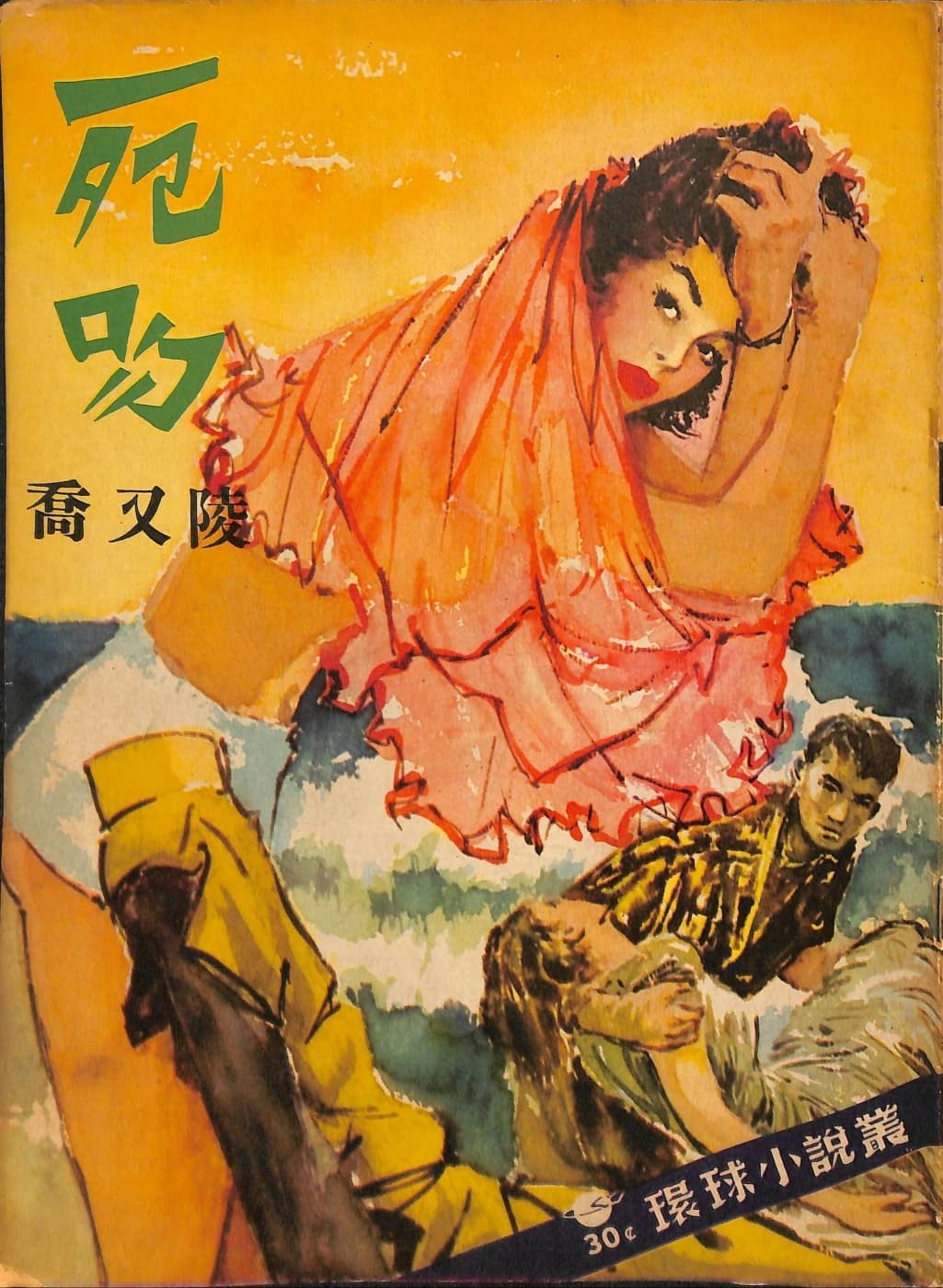
《環球小說叢》 offers one route into a wider publishing history. Its cover art can support exhibitions and visual study, while any use of text, stories or adaptations begins with a title-by-title rights review.
Publishing case study
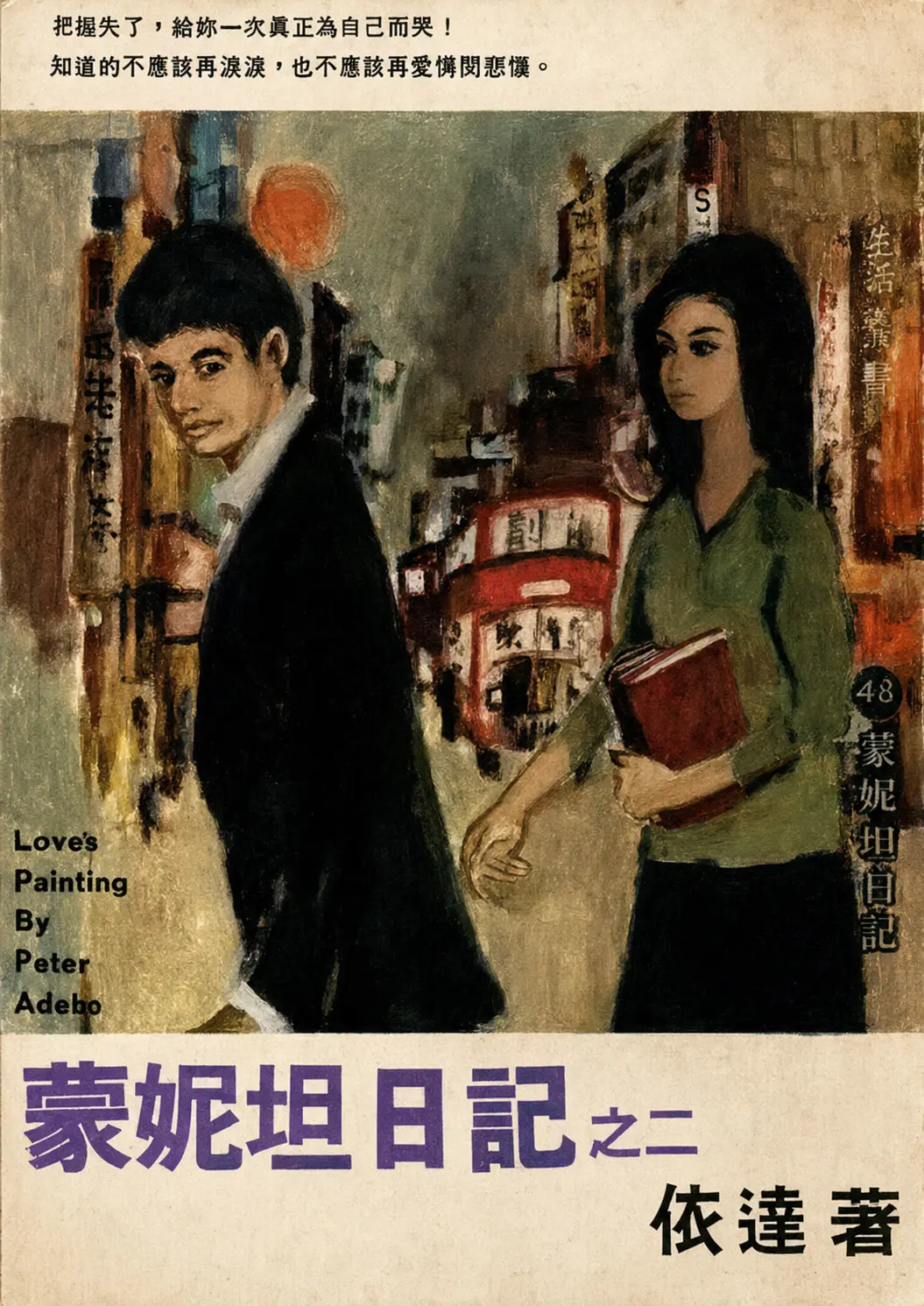
First serialised in 《西點》, published in three book volumes by The Universal Press in 1963 and adapted by Cathay for film in 1968, 《蒙妮坦日記》 shows how a story could move through the publishing system and become part of Hong Kong's cultural memory.
A new project might begin with a critical reissue, a screen adaptation, an exhibition, research into post-war urban life or a carefully scoped digital use. Each proposal is assessed against the title, source materials, territory, format and cultural presentation.

Each route asks what the partner plans to make, which works it needs and how the project will present their Hong Kong origins.
Hover, focus or tap a panel for details.
Name the title, author, theme or group of works you want to use.
Describe the format, language, territory, audience and release plan.
Explain how the project will present the work and its Hong Kong origins.
We agree access, source materials, fees, credits, safeguards and delivery.
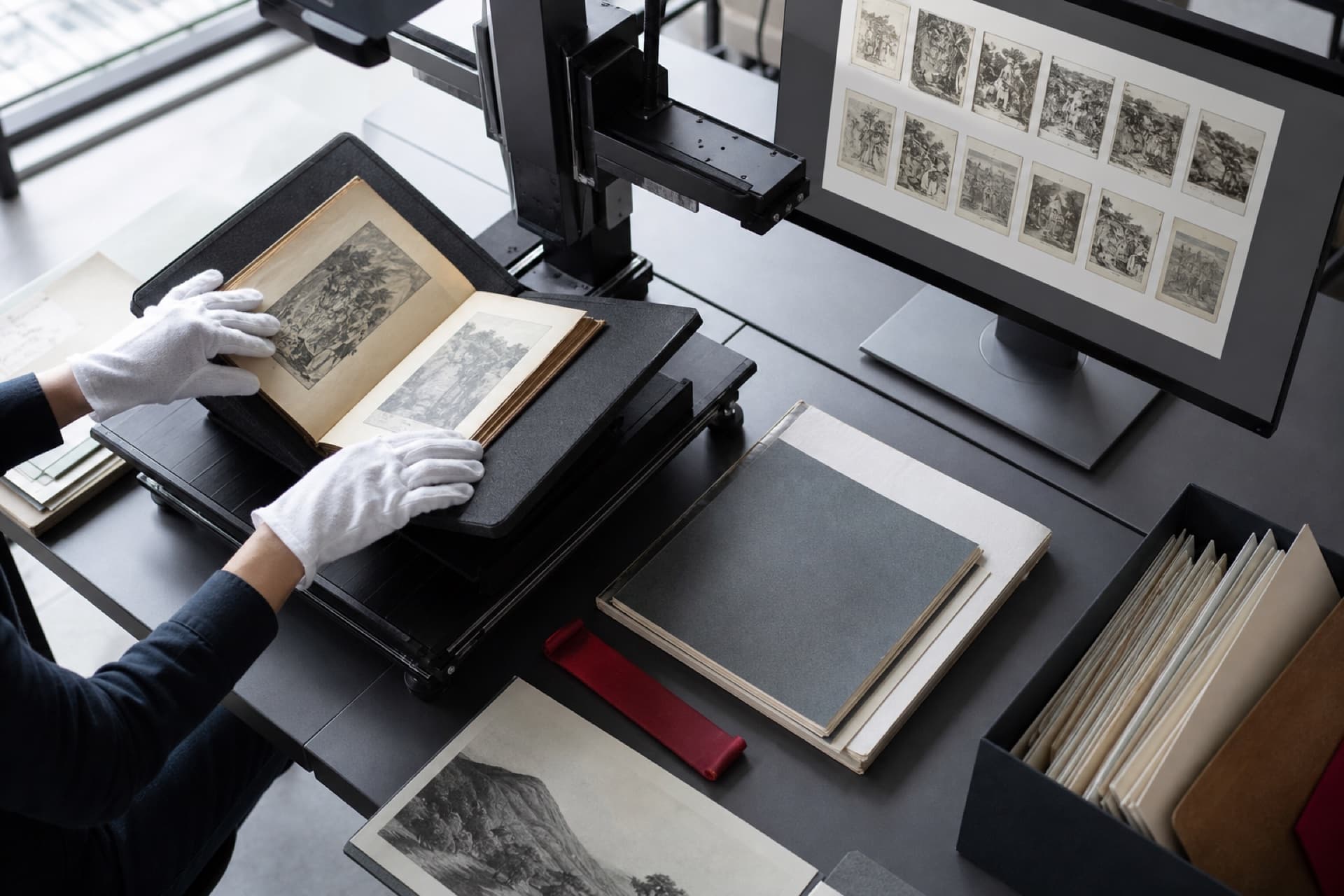
The Universal Press considers digitisation, corpus research, licensed datasets and AI training. Proposals must identify the exact titles, technical access method, security measures, attribution and commercial terms. The Universal Press grants access for defined projects and agreed materials.
Publishers, producers, non-profits, universities, schools and cultural organisations can begin with a few clear details.
Discuss a project